
Decentralised Solar Emerges as Key Driver in Africa’s Push for Universal Energy Access
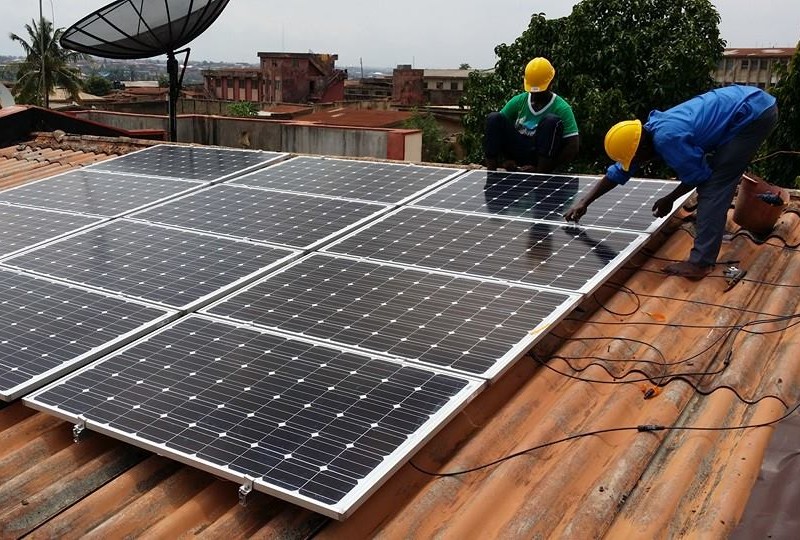
Decentralised solar solutions are positioned to play a pivotal role in achieving the continent’s ambitious targets for expanding electricity access, particularly in underserved rural areas.
Globally, over 666 million people still lack access to electricity, with Africa accounting for more than 80% of this figure. The vast majority of those affected reside in remote and rural communities, where traditional grid extension remains challenging and costly.
In sub-Saharan Africa, the urban-rural divide is stark: rural electricity access stood at only 31.6% in 2023, compared to 82.2% in urban areas (World Bank data). This persistent gap hinders economic growth, limits access to essential services such as healthcare and education, and constrains industrial development in rural regions.
Decentralised energy systems — especially solar-powered mini-grids and stand-alone solutions — are increasingly recognised as essential complements to centralised grid expansion. According to the International Energy Agency’s (IEA) recent report “Financing Electricity Access in Africa” (October 2025), decentralised solutions are projected to deliver around 55% of new electricity connections across the continent by 2035.
This shift is already underway, with deployment accelerating rapidly. The International Renewable Energy Agency (IRENA) reports that global off-grid renewable energy capacity grew from 6 GW in 2015 to 11.1 GW in 2024, providing electricity to approximately 86 million people worldwide. Africa accounts for over three-quarters of these beneficiaries, underscoring the continent’s leadership in this space.
Solar dominates this expansion due to its modularity, rapid deployment, and ideal fit for remote locations. Decentralised solar capacity surged from 1.02 GW in 2015 to 4.05 GW in 2024, far outpacing more modest growth in decentralised bioenergy (from 4.2 GW to 5.1 GW).
Africa’s abundant solar resources, combined with the geographical challenges of serving dispersed rural populations, make decentralised solar a cost-effective, scalable, and sustainable long-term solution. Policymakers are increasingly incorporating these systems into national electrification strategies, supported by governments, development banks, and private investors.
This trend represents a transformative opportunity for Africa’s energy future: bridging the access divide, fostering inclusive growth, and advancing the continent toward reliable, affordable, and clean power for all. Scaling investment and innovative financing will be essential to realise this potential by 2035 and beyond.

